
The Two-Week Wait: Day by Day After Embryo Transfer

By Emily Johnson, Content Writer & Fertility Advocate · Medically reviewed by Dr. Sarah Ahmed, Medical Content Advisor
The short answer: the two-week wait (2WW) is the 10–14 day stretch between your embryo transfer and your beta hCG blood test. During these days, the embryo hatches, implants into your uterine lining (usually days 3–5 after a day-5 transfer), and begins producing hCG. Mild cramping, light spotting, breast tenderness, bloating, and fatigue are all common — but so is feeling absolutely nothing. No symptom, or lack of one, can predict your result; only the beta hCG blood test at your clinic gives the real answer. This guide walks you through the two week wait IVF day by day, so you know what is happening, what is normal, and when to call your clinic.
Table of Contents

What Is the Two-Week Wait After Embryo Transfer?
The two-week wait is the quiet gap between transfer day and test day. You have completed your IVF treatment calendar up to the transfer, and now you wait for the embryo to implant while continuing progesterone support (vaginal gel, pessaries, or injections — exactly as your clinic prescribed).
It is called “two weeks” loosely: most clinics schedule the beta hCG blood test 10 to 14 days after transfer. The wait feels long because so much is happening invisibly — and because every twinge suddenly feels like a clue. Understanding the timeline below is the single best way to stay grounded during it.
Two Week Wait IVF Day by Day: Embryo Milestones and What You Might Feel
This timeline counts days post transfer (DPT) from the day of transfer and assumes a day-5 blastocyst transfer, which is the most common scenario today. If you had a day-3 transfer, everything shifts about 2 days later — see the note after the timeline, and our day-3 vs day-5 comparison for how that changes your due date too.
Days 1–2: The Embryo Free-Floats
What’s happening: the blastocyst hatches from its outer shell (the zona pellucida) and drifts in uterine fluid, looking for a good place to attach. Nothing has implanted yet — biologically, it is too early for any pregnancy signal.
What you might feel: mild cramping or pelvic pressure from the transfer procedure itself, fatigue from progesterone, mood swings. Most people feel largely normal, and that is completely expected.
Days 3–5: Implantation Begins
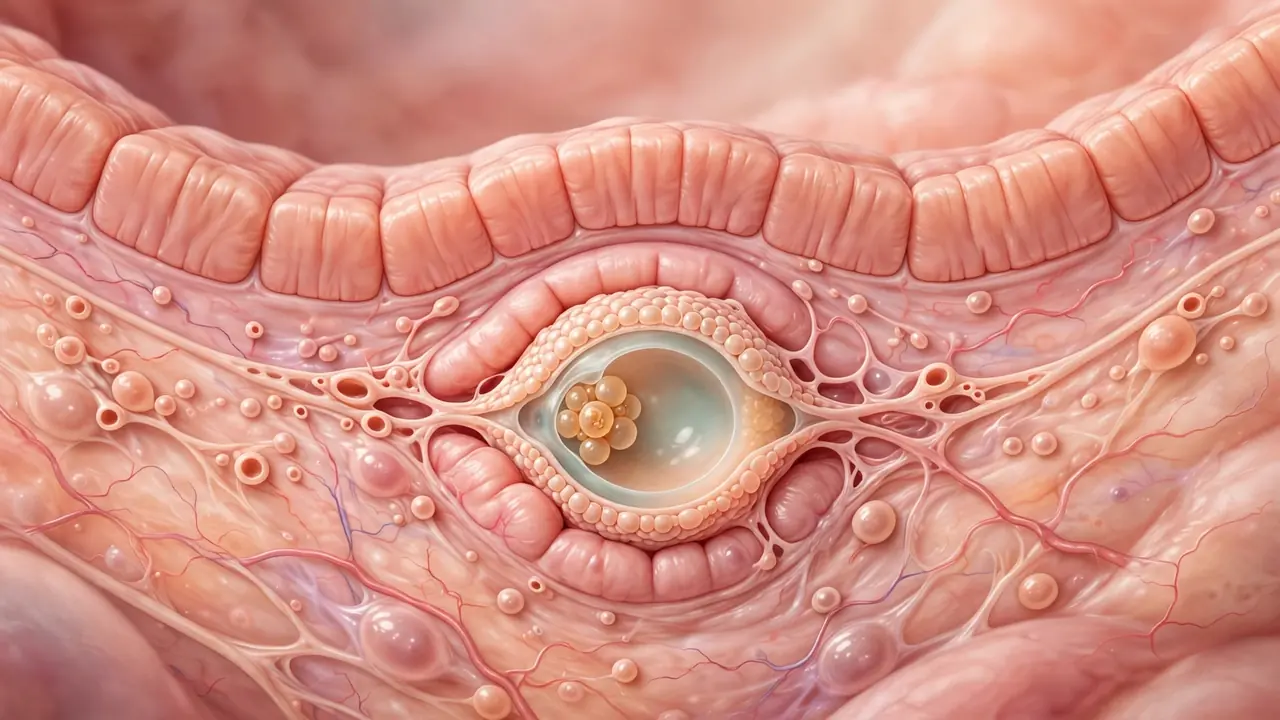
What’s happening: the embryo attaches to the uterine lining and starts to burrow in. This is implantation — the moment the embryo and your body truly connect. The cells that will become the placenta begin to form.
What you might feel: light twinges or pinching on one side, continued bloating, breast tenderness beginning to build. Some people notice a tiny amount of pink or brown spotting in this window; many notice nothing at all. Implantation symptoms, when they happen, are subtle — never dramatic.
Days 6–9: hCG Starts to Rise
What’s happening: once implantation completes, the developing placenta cells start releasing hCG — the hormone every pregnancy test looks for. hCG roughly doubles every 2 to 3 days in a healthy early pregnancy.
What you might feel: this is when symptoms most commonly appear (or intensify): breast tenderness or swelling, fatigue, mild nausea, bloating, headaches, increased urination, and light pink or brown implantation spotting (most often around days 6–9). Anxiety also peaks here — the embryo has likely implanted, but the test is still days away.
Days 10–14: The Home Stretch
What’s happening: by now, hCG is usually high enough for a reliable blood test. The embryo is firmly established in the uterine wall, and the placenta continues to develop.
What you might feel: stronger fatigue, more noticeable breast changes, queasiness, mood swings, hunger changes, light cramping as the uterus adapts. Some people get a faint positive on a very sensitive home test in this window — but your clinic’s beta hCG blood test remains the official result.
Note for day-3 transfers: with a day-3 embryo, implantation tends to start around days 5–7 instead of 3–5, and hCG rises a couple of days later. If you are counting dp3dt days, simply shift the timeline above by about 2 days.
Implantation Symptoms vs. Medication Side Effects
Here is the uncomfortable truth every clinic repeats: progesterone and estrogen support cause almost exactly the same symptoms as early pregnancy — cramping, breast tenderness, bloating, fatigue, nausea, mood swings, spotting. That means your symptoms cannot tell you whether the transfer worked, in either direction.
- Cramping: common from both implantation and progesterone. Mild, period-like cramps are normal; severe or one-sided pain is not (see warning signs below).
- Spotting: light pink or brown spotting around days 6–9 can be implantation bleeding. It is usually very light and brief.
- Breast changes: tenderness, heaviness, or nipple sensitivity — classic progesterone effects that also accompany early pregnancy.
- Fatigue and bloating: driven largely by hormones and medications, not by the embryo.
- Nausea: can start this early for some, though it more typically builds later.
Reading symptoms day by day is understandable — but it is not an accurate way to measure whether your transfer was successful.
No Symptoms at All? That’s Normal Too
One of the most common fears during the two-week wait is silence: “I feel nothing — does that mean it failed?” No. A large share of successful transfers involve no noticeable symptoms whatsoever during the wait, and a negative beta after a symptom-filled wait is also common. The absence of symptoms is not evidence of failure, just as strong symptoms are not evidence of success.
If you feel fine, that is a perfectly good sign — it means your body is tolerating the medications well and you can carry on with normal life.
What to Do (and Avoid) During the Two-Week Wait
Your clinic’s instructions come first — always. That said, the general medical consensus is reassuring: normal, gentle daily life does not disturb implantation.
- No bed rest required. Major fertility societies do not recommend bed rest after transfer; there is no evidence it improves implantation, and gentle activity is fine unless your clinic says otherwise.
- Take your medications exactly as prescribed — especially progesterone. Do not skip, stop, or change doses on your own, even if you test early.
- Avoid: alcohol, smoking, vaping, and recreational drugs; hot tubs and saunas; heavy lifting and intense exercise beyond what your clinic cleared; NSAID painkillers unless your doctor approves them (acetaminophen is the usual fallback — confirm with your clinic).
- Keep it gentle: walking, light work, normal routines. Eat reasonably, sleep well, and stay hydrated.
- Skip the early home tests if you can. Testing too early gives false negatives (and, with a trigger shot in fresh cycles, false positives). Every early test adds anxiety without changing the outcome.
Warning Signs: Call Your Clinic Right Away
Most of the two-week wait is boring in the best possible way. But contact your clinic the same day if you experience any of these:
- Heavy bleeding — bright red flow soaking a pad, especially with clots (light pink/brown spotting is different and usually fine).
- Severe or one-sided pelvic pain, or pain with shoulder pain or dizziness.
- Signs of ovarian hyperstimulation (OHSS) — rapidly swelling or very tight/bloated abdomen, sudden weight gain, shortness of breath, very little urine.
- Fever, foul-smelling discharge, or severe headache that does not ease.
For general information on early pregnancy complications, see the American College of Obstetricians and Gynecologists’ resource on early pregnancy loss. When in doubt, call — clinics would far rather reassure you than have you worry in silence.
When to Take a Pregnancy Test After Embryo Transfer
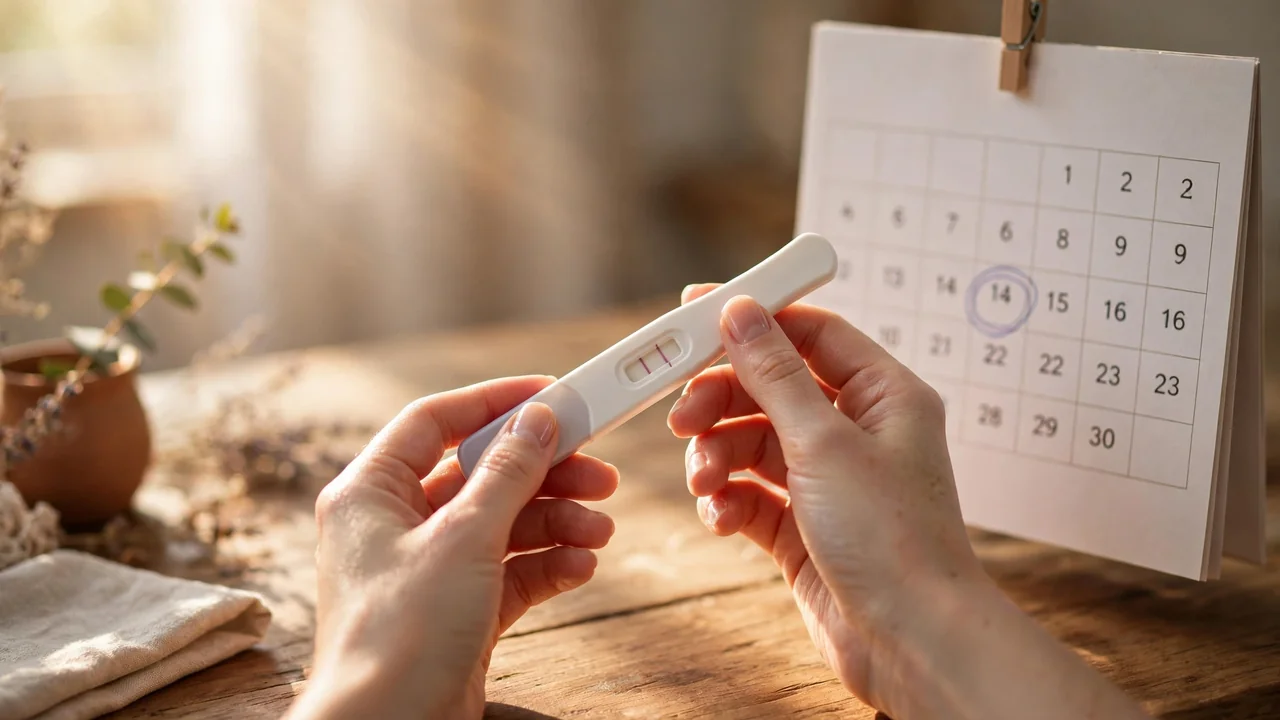
Your clinic will schedule a beta hCG blood test, usually 10–14 days after transfer. That blood test measures the exact hCG level in your blood and is far more reliable than any home test.
- Home urine tests can sometimes show a faint positive from day 9–10 after a day-5 transfer, but early negatives are common and meaningless this soon.
- In a fresh cycle, a leftover trigger shot (hCG injection) can cause false positives for up to 10–14 days — another reason not to test early.
- Do not stop progesterone because of an early home test result, positive or negative. Only your clinic tells you when to stop.
Wondering how early is too early? Our early pregnancy test calculator estimates when a test becomes reliable for your transfer type. And once you have a positive beta, our beta hCG doubling calculator helps you track whether your levels are rising as expected. If your beta is positive, the next milestone is your due date — see how your transfer date sets your timeline or estimate it directly with our IVF due date calculator.
How to Survive the Two-Week Wait: 7 Coping Strategies
- Schedule gentle distractions, not major stressors. Light social plans, a series to follow, a small project — structure beats staring at the calendar.
- Agree on a testing plan with your partner in advance. Decide together: early home test or wait for beta? Settling it now prevents a 2 a.m. debate on day 9.
- Limit symptom-spotting spirals. Set a rule — e.g., one check-in with yourself per day — and step away from forums when they spike your anxiety.
- Protect your sleep. Progesterone already disrupts it; keep a consistent bedtime and put the phone away.
- Move your body gently. Walks, stretching, fresh air — unless your clinic restricted activity.
- Talk to someone who gets it. A partner, a friend who has been through IVF, or a counselor experienced with fertility treatment.
- Plan something kind for test day — whatever the result. A favorite meal, a walk, time off work. You deserve a soft landing either way.
Frequently Asked Questions (FAQs)
What happens day by day during the two-week wait after embryo transfer?
With a day-5 blastocyst transfer: days 1–2 the embryo hatches and free-floats; days 3–5 it attaches and implants; days 6–9 the placenta cells begin producing hCG; days 10–14 hCG rises enough for a reliable blood test. A day-3 transfer shifts this timeline about 2 days later.
What are the earliest positive signs after embryo transfer?
The most commonly reported signs are mild cramping or twinges, light pink or brown spotting (often days 6–9), breast tenderness, fatigue, bloating, and mild nausea. None confirm pregnancy — progesterone support causes the same symptoms — and feeling nothing at all is equally normal.
Can I take a pregnancy test before my beta hCG appointment?
You can, but early testing is unreliable: negatives are common before day 9–10, and in fresh cycles a leftover trigger shot can cause false positives for up to two weeks. The beta hCG blood test at your clinic (10–14 days after transfer) is the definitive result.
Does feeling no symptoms mean the embryo transfer failed?
No. Many successful transfers involve no symptoms at all during the two-week wait, and symptoms (or their absence) cannot predict the outcome. Only the beta hCG blood test gives a real answer.
Should I rest in bed during the two-week wait?
No — bed rest is not recommended after embryo transfer and there is no evidence it improves implantation. Gentle normal activity is fine unless your clinic gave you specific restrictions.
When is implantation bleeding most likely?
If it happens at all, implantation spotting typically appears around days 6–9 after a day-5 transfer: very light pink or brown discharge lasting a day or two. Heavy bright-red bleeding is different — call your clinic.
What is the beta hCG test and when is it done?
The beta hCG test is a blood test that measures the exact level of the pregnancy hormone hCG. Clinics usually schedule it 10–14 days after embryo transfer. A positive result is followed by repeat tests to confirm the level is doubling appropriately.
Can symptoms differ between a day-3 and a day-5 transfer?
The symptoms themselves are the same; only the timing shifts. With a day-3 embryo, implantation starts around days 5–7 instead of 3–5, so hCG rises and any symptoms appear roughly 2 days later than the day-by-day timeline above.
About the author
Emily Johnson is a Content Writer & Fertility Advocate who covers IVF and fertility treatment topics. Meet the team
Medical review
This article was medically reviewed by Dr. Sarah Ahmed, Medical Content Advisor, for clinical accuracy. Meet the team
Medical disclaimer
This article is for informational purposes only and is not medical advice, diagnosis, or treatment. Due dates are estimates, and every pregnancy is different. Always confirm your due date and any testing or treatment decisions with your clinic or healthcare provider.
