
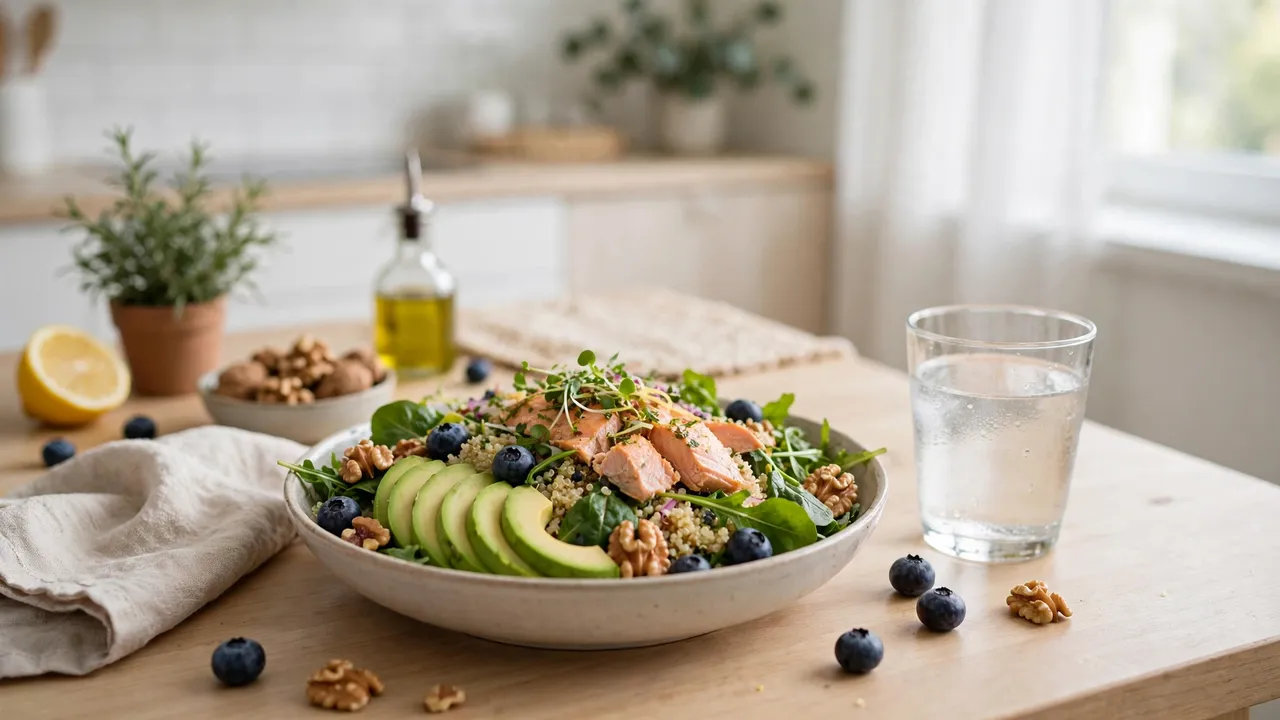
What to Eat After Embryo Transfer: Foods That Help, Foods to Avoid & a Sample Meal Plan

No single food can make an embryo implant — but what you eat after embryo transfer still matters. A balanced, nutrient-rich diet supports your overall health, steadies your energy, and helps you avoid foods that carry a real risk in early pregnancy. This guide covers the best foods to eat after embryo transfer, the foods to avoid, how much caffeine is OK, and a simple one-day meal plan you can follow during the two-week wait.
Table of Contents
The Short Answer: Is There a Diet That Helps Implantation?
There is no food, supplement or diet proven to increase the chance of implantation after an embryo transfer. That is the honest answer, and it is also good news: you do not need a special diet, a juice cleanse or a list of “magic” foods. What helps is the same balanced diet doctors recommend through every stage of fertility treatment and early pregnancy — plenty of vegetables and fruit, whole grains, lean and plant-based protein, healthy fats, and enough water. Keep taking your prenatal vitamin exactly as your clinic prescribed it, and treat your body as if you are already pregnant when it comes to food safety. If you want a day-by-day picture of what the wait itself looks like, our two-week wait after embryo transfer guide walks through it.
Key Nutrients to Focus On After Embryo Transfer
Instead of chasing single “fertility foods”, aim to cover the nutrients below across your meals. The table shows the daily target used in pregnancy guidance and the easiest food sources.
| Nutrient | Daily target | Best food sources |
|---|---|---|
| Folate (folic acid) | 400–800 mcg folic acid | Leafy greens, lentils, chickpeas, fortified breads and cereals, plus your prenatal vitamin |
| Iron | 27 mg | Lean red meat, beans, lentils, spinach, fortified cereals (pair with vitamin C foods to absorb more) |
| Calcium | 1,000 mg | Milk, yogurt, cheese, fortified plant milks, leafy greens |
| Vitamin D | 600 IU | Fatty fish, fortified milk, eggs; supplement only if your clinic advises it |
| Omega-3 (DHA/EPA) | About 200–300 mg DHA | Salmon, sardines, trout; walnuts, chia and flaxseed provide plant omega-3 (ALA) |
| Protein | About 1.1 g per kg body weight | Eggs, fish, chicken, beans, lentils, tofu, Greek yogurt |
| Fibre | About 28 g | Whole grains, fruit, vegetables, beans and lentils |
Folic acid deserves special attention. It is the only form of folate proven to prevent neural tube defects, and food alone often does not provide enough of it — which is why a daily prenatal vitamin matters. You can read more on the MedlinePlus folic acid page.
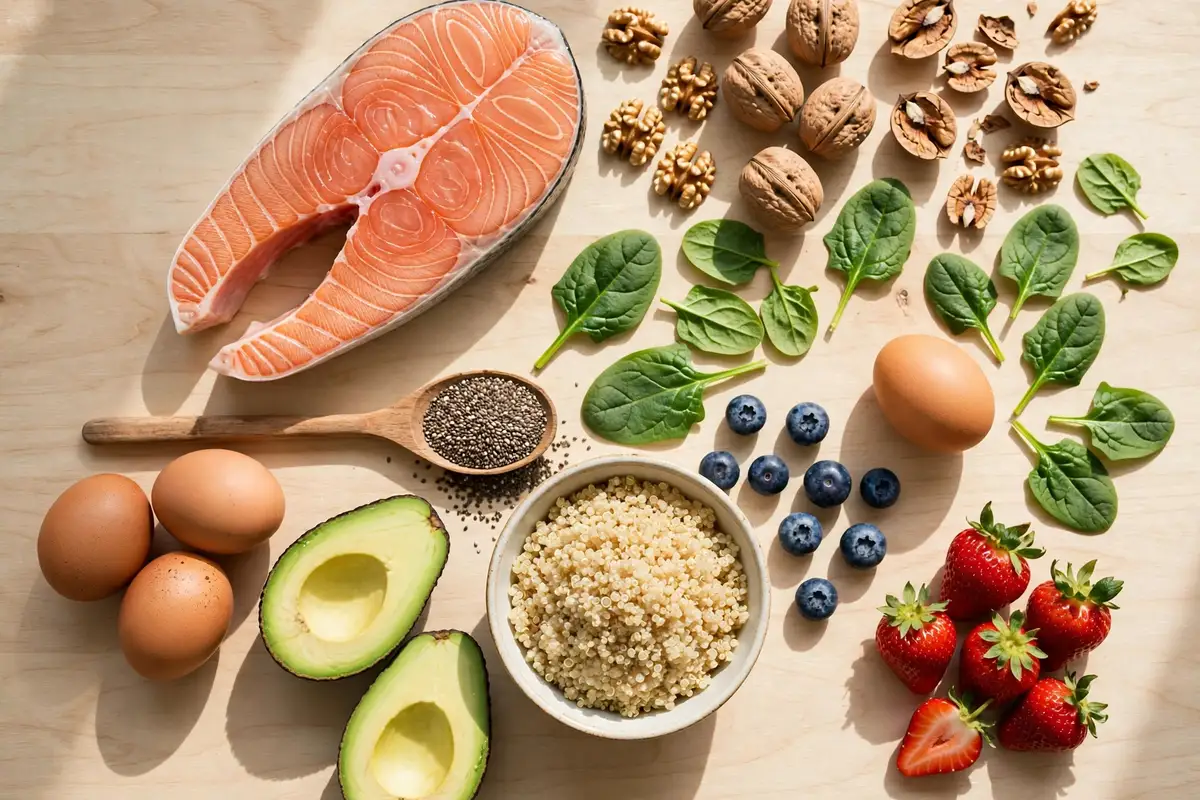
Best Foods to Eat After Embryo Transfer
Oily Fish, Walnuts and Other Omega-3 Sources
Omega-3 fatty acids support general health and are recommended during pregnancy. Salmon, sardines and trout are the most useful fish here because they are also low in mercury. Walnuts, chia seeds and flaxseed add plant-based omega-3s, and olive oil is an easy everyday healthy fat. Aim for two servings of low-mercury fish a week.
Whole Grains
Quinoa, oats, brown rice, barley and whole-wheat bread give you fibre, B vitamins, magnesium and steady energy. Some research has linked higher whole-grain intake with better fertility outcomes, and fibre also helps with the constipation that progesterone can cause after transfer. Swap white rice and white bread for whole-grain versions where you can.
Protein — Plant and Animal
Protein builds and repairs cells, and your need for it rises in pregnancy. Mix your sources: eggs, fish, chicken, Greek yogurt, lentils, beans, tofu and tempeh. Research has found that diets richer in plant-based protein are associated with better fertility outcomes, so a few meat-free meals a week are a simple win.
Fruit and Vegetables
Colour is a good guide: berries, citrus fruit, leafy greens, broccoli, sweet potatoes and avocado each bring different vitamins, minerals and antioxidants. One study linked lower fruit intake with a longer time to conceive, and diets rich in vegetables and fruit — such as the Mediterranean and Dutch dietary patterns — have been linked with better chances of pregnancy during IVF. Fill half your plate with vegetables or salad at lunch and dinner.
Folate-Rich Foods
Spinach, kale, asparagus, Brussels sprouts, lentils and fortified cereals are all strong folate sources. They work alongside your prenatal vitamin rather than replacing it. If you are unsure whether your vitamin covers you, ask your clinic rather than adding extra supplements on your own.
What the Research Says About Diet and IVF Success
No trial has tested a specific “post-transfer diet”, so the evidence we have is about overall eating patterns during IVF. Two studies are worth knowing about. In a 2010 study of 269 women having IVF or ICSI, those whose eating pattern most closely matched a Mediterranean diet — plenty of vegetables, fruit, whole grains, fish and olive oil — had a higher chance of pregnancy. A 2019 study found a similar link: women who followed a Mediterranean-style diet most closely had a higher chance of a live birth, particularly women under 35. Both studies were observational, so they show an association, not proof that the diet caused the result. Still, the pattern is consistent, and it matches general healthy-eating advice. The American Society for Reproductive Medicine’s diet and fertility fact sheet gives the same broad message: a balanced diet supports fertility, and no single food is a shortcut.
Foods to Avoid After Embryo Transfer
Treat your body as if you are already pregnant. The foods below are worth avoiding not because they stop implantation, but because they carry a real risk of infection or harm in early pregnancy.
Alcohol
Avoid alcohol completely after embryo transfer. Alcohol is linked with miscarriage and with problems in a baby’s growth and development, and there is no amount known to be safe in pregnancy.
Raw or Undercooked Meat, Fish and Eggs
Raw or undercooked meat, poultry, seafood and eggs can carry bacteria such as E. coli and Listeria or parasites, which raise the risk of miscarriage. That means no rare steak, no sushi with raw fish, no runny eggs and no dishes made with raw egg. Cook meat, fish and eggs through.
Unpasteurised Dairy and Juices
Raw milk, soft cheeses made from unpasteurised milk and unpasteurised juices can carry harmful bacteria. Choose pasteurised products only, and check the label on soft cheeses. The NHS foods to avoid in pregnancy page lists the cheeses and foods to check.
High-Mercury Fish
Mercury can affect a developing baby’s nervous system. Avoid shark, swordfish, king mackerel, tilefish and bigeye tuna, and limit albacore (white) tuna to 170 g (6 oz) a week. Low-mercury fish such as salmon, sardines, trout, cod and tilapia are the better choice, at 2–3 servings a week.
Highly Processed Foods
Heavily processed foods are usually high in salt, added sugar and unhealthy fats and low in nutrients. They do not need to be banned, but a diet built on them leaves little room for the foods above. Keep them as occasional extras rather than the base of your meals.
Caffeine After Embryo Transfer: How Much Is OK?
You do not have to give up caffeine completely. The usual guidance is to keep caffeine below 200 mg a day — roughly one 12 oz cup of brewed coffee. Use the table to count your day.
| Drink or food | Typical caffeine |
|---|---|
| Brewed coffee, 8 oz (240 ml) | About 95 mg |
| Espresso, single shot | About 63 mg |
| Black tea, 8 oz | About 47 mg |
| Green tea, 8 oz | About 28 mg |
| Cola, 12 oz (355 ml) | About 34 mg |
| Dark chocolate, 1 oz (28 g) | About 24 mg |
Energy drinks deserve extra care: they are often high in caffeine and sugar, and their caffeine content varies widely. Water, milk and caffeine-free herbal tea are the safest everyday drinks.
A Sample One-Day Meal Plan After Embryo Transfer
This is a template, not a prescription. Adjust portions to your appetite and swap in foods you enjoy — the pattern matters more than any single item.
| Meal | What to eat |
|---|---|
| Breakfast | Greek yogurt bowl with berries, banana, walnuts and oats; a slice of whole-grain toast; a glass of water |
| Mid-morning snack | Apple slices with almond butter and a glass of water |
| Lunch | Quinoa salad with grilled salmon, spinach, avocado and an olive-oil dressing |
| Afternoon snack | A small handful of walnuts and an orange |
| Dinner | Lentil stew with brown rice and steamed broccoli |
| Evening | Warm milk or caffeine-free herbal tea and a small bowl of berries |
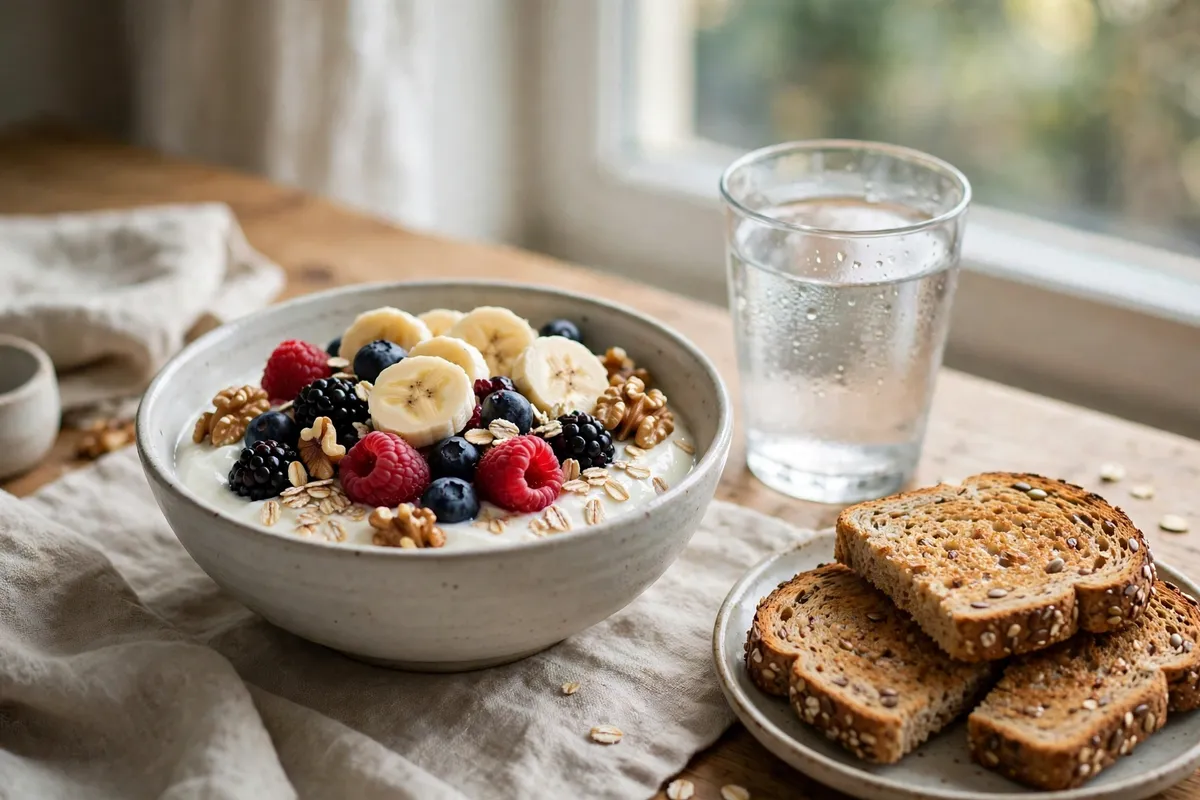
Eating for Comfort: Bloating, Constipation and Nausea After Transfer
Progesterone — whether your body makes it or you take it as support — slows digestion, so bloating and constipation are common after a transfer. Fibre and water are your best tools: whole grains, fruit, vegetables and beans, with 6–8 glasses of water a day. Gentle walking after meals helps too. Foods that often add gas — beans, cabbage, broccoli and fizzy drinks — are healthy, but keep portions modest if they make you uncomfortable. If nausea starts, small frequent meals, dry toast or crackers before getting up, and ginger tea can help; our morning sickness guide covers this in detail. Do not take laxatives or anti-nausea medicine without checking with your clinic first. If bloating becomes severe or painful, or you gain weight quickly, contact your clinic the same day — it can be a sign of ovarian hyperstimulation after egg retrieval.
Food Myths After Embryo Transfer
Pineapple and Bromelain
Pineapple contains bromelain, an enzyme said to thicken the uterine lining and improve blood flow. There is no evidence that eating pineapple — or its core, where bromelain is concentrated — helps implantation. Enjoy pineapple if you like it, but do not eat large amounts of the core on the strength of the myth.
Pomegranate Juice
Pomegranate is rich in antioxidants, and some claim its juice thickens the endometrium. No study supports that claim. It is a healthy fruit, but it is not an implantation treatment.
Brazil Nuts
Brazil nuts are rich in selenium, which matters for reproductive health. But there is no evidence that eating them after transfer helps implantation — and selenium can be toxic in large amounts, so keep it to one or two nuts a day at most.
Beetroot Juice
Beetroot juice contains nitric oxide, which is thought to increase blood flow to the uterus. One small trial tested daily beetroot juice after embryo transfer and suggested a benefit, but the study had design problems that make the result unreliable. It is not a proven step.
“Warm Foods”
In some traditions, warm foods such as soups and stews are recommended after transfer. There is no scientific evidence behind the idea, but warm, cooked meals are easy to digest and comforting — so if you enjoy them, there is no reason to avoid them.
What Not to Change After Your Transfer
Do not start a crash diet, a detox or a juice cleanse — your body needs steady energy now, and sudden weight loss can disturb your cycle and your hormones. Do not add new herbal supplements, high-dose vitamins or “fertility teas” without asking your clinic: some herbs and supplements can interfere with your medicines. Keep taking your prenatal vitamin and your prescribed medicines, including progesterone support, exactly as directed. And do not overhaul everything at once: the best post-transfer diet is the balanced diet you can actually keep for the next two weeks. If you are tracking your progesterone support, our progesterone after embryo transfer guide explains levels and what to expect.
Frequently Asked Questions (FAQs)
What should I eat the day after embryo transfer?
Eat normally and well: a balanced meal with protein, whole grains, vegetables and fruit, plenty of water, and your prenatal vitamin. There is no special “day after” diet, and no food on that day changes whether the embryo implants.
Can certain foods help implantation after embryo transfer?
No food is proven to help implantation. A balanced diet rich in vegetables, fruit, whole grains, lean protein and omega-3 fats supports your overall health and is linked with better IVF outcomes in observational studies, but it is not a guarantee.
Is pineapple good after embryo transfer?
Pineapple is fine to eat in normal amounts, but there is no evidence that it — or the bromelain in its core — helps implantation. Do not eat large amounts of pineapple core expecting a benefit.
How much coffee can I drink after embryo transfer?
Keep caffeine below 200 mg a day, which is about one 12 oz cup of brewed coffee. Count tea, cola, chocolate and energy drinks in the same total.
Can I eat sushi after embryo transfer?
Avoid sushi made with raw fish, and raw or undercooked seafood in general, because of the risk of foodborne infection. Cooked sushi rolls and fully cooked fish are fine.
Should I take any supplements after embryo transfer?
Keep taking your prenatal vitamin and any medicines your clinic prescribed. Do not start new supplements, herbs or high-dose vitamins without asking your clinic first.
What foods cause bloating after embryo transfer?
Bloating is usually caused by progesterone slowing digestion, not by one food. Beans, cabbage, broccoli and fizzy drinks can add gas, so keep portions modest. Fibre, water and gentle walking usually help.
When can I go back to my normal diet after embryo transfer?
You do not need a special diet at all — your normal balanced diet is the right one. Just keep avoiding alcohol, raw or undercooked foods, unpasteurised dairy and high-mercury fish, and keep caffeine under 200 mg a day until your clinic advises otherwise. Your beta test date is usually 9–14 days after transfer; our FET calendar calculator can work it out from your transfer date.
What to eat after embryo transfer comes down to a simple idea: eat well, stay hydrated, keep your prenatal vitamin going, and avoid the handful of foods that carry a real safety risk. No single food will decide whether your embryo implants, and no food you ate will have ruined your chances — so be kind to yourself during the wait. If you notice spotting, cramping or new symptoms, our guides to implantation bleeding and when to take a pregnancy test after IVF explain what is normal and when to call your clinic.
By Emily Johnson, Content Writer & Fertility Advocate · Medically reviewed by Dr. Sarah Ahmed, Medical Content Advisor
About the author
Emily Johnson is a Content Writer & Fertility Advocate who covers IVF and fertility treatment topics. Meet the team
Medical review
This article was medically reviewed by Dr. Sarah Ahmed, Medical Content Advisor, for clinical accuracy. Meet the team
Medical disclaimer
This article is for informational purposes only and is not medical advice, diagnosis, or treatment. Due dates are estimates, and every pregnancy is different. Always confirm your due date and any testing or treatment decisions with your clinic or healthcare provider.
