

How to Improve Egg Quality: What Works, What Doesn’t & What the Evidence Says

By Emily Johnson, Content Writer & Fertility Advocate · Medically reviewed by Dr. Sarah Ahmed, Medical Content Advisor
If you have been told your egg quality is a concern — or you are simply planning ahead before trying to conceive — you have probably seen confident promises online: a special diet, a supplement stack, a 30-day reset that will “fix” your eggs. The honest picture is more useful than that, and less discouraging than it sounds.
Here is the short answer first: you cannot create new eggs or reverse age-related decline, but you can improve the environment in which your eggs mature. An egg takes about 90 days to complete its final maturation before ovulation, and during that window it is sensitive to nutrition, sleep, stress, smoking, alcohol, and your overall health. A Mediterranean-style diet, the right supplements discussed with your doctor (CoQ10 is the most studied), 7–9 hours of sleep, a healthy weight, and avoiding smoking and heavy drinking give the eggs you are about to ovulate their best chance. No food or supplement can guarantee a pregnancy, and anyone who promises that is selling something — but the steps in this guide are the ones with real evidence behind them, and they are worth starting at least three months before you try to conceive or begin treatment. This guide covers how to improve egg quality step by step — what the evidence supports, what to avoid, and how to build a realistic 90-day plan.
Table of Contents
What Is Egg Quality?
Egg quality describes how healthy an egg is — whether it has the correct number of chromosomes, enough energy to fertilize and divide, and the structure to develop into a healthy embryo. A high-quality egg is more likely to fertilize, grow into a good blastocyst, implant, and lead to a healthy pregnancy. A lower-quality egg is more likely to carry a chromosomal error, which can mean failed fertilization, an embryo that stops developing, a failed transfer, or a miscarriage.
Two things about egg quality surprise most people. First, quality and quantity are different things. You can have a low egg count and still have good-quality eggs, and you can have plenty of eggs with a high share of chromosomal errors. Second, age is the single biggest influence on quality. The share of eggs with chromosomal errors is lowest in the late 20s and rises steadily from the mid-30s onward. That is biology, not a personal failure — and it is why the same lifestyle steps matter more, not less, as you get older.
Our guide to AMH levels by age explains the quantity side in detail: AMH and antral follicle count estimate how many eggs remain, not how good they are. If your AMH is low, read that guide alongside this one — and if you want to work on the quantity side too, our guide on how to increase AMH levels covers what is realistic there.
How Is Egg Quality Measured?
There is no blood test that directly measures egg quality, which is part of why this topic attracts so much guesswork. In practice, doctors and clinics judge it through proxies:
| What is checked | What it actually tells you |
|---|---|
| Your age | The strongest single predictor of chromosomal errors in eggs |
| AMH and antral follicle count | Egg quantity (reserve), not quality — a low AMH does not mean poor quality |
| FSH and estradiol on day 2–3 of your cycle | How hard your ovaries are working; a high FSH can signal lower reserve |
| How your eggs respond to stimulation | Mature egg numbers and fertilization rates during an IVF cycle |
| Embryo development in the lab | Whether fertilized eggs reach the blastocyst stage and how they look |
| Embryo grading | The appearance of the embryo — useful, but it cannot see chromosomes |
| PGT-A testing | The chromosome count of an embryo before transfer — the closest thing to a quality check, and only available during IVF |
That last point matters: the only time anyone can actually check an embryo’s chromosomes is during IVF, with PGT-A testing. Everything before that — diet, supplements, lifestyle — is about giving your eggs the best possible maturation environment, not about measuring a number. Be wary of any clinic or product that claims to test or score your “egg quality” from a single blood test. It does not exist.
The 90-Day Window: Why Three Months Matters
An egg does not mature overnight. Each egg spends roughly 90 days in its final maturation phase before it is released at ovulation. During those three months it grows enormously, accumulates mitochondria — the tiny energy factories that power fertilization and early cell division — and completes the first division of its chromosomes.
This is genuinely good news. It means the changes you make today do not help the egg you ovulate this month; they help the eggs you will ovulate in about three months. It also means there is no point in a one-week “egg quality detox” before a cycle. Start at least three months before you plan to conceive or begin IVF, and think of it as a season of preparation, not a quick fix.
Inside the egg, the key problem with age is energy. Eggs contain more mitochondria than almost any other cell in the body, and mitochondrial function declines with age. That is why CoQ10 — a compound central to mitochondrial energy production — has become the most-studied egg quality supplement, and why antioxidants in general get so much attention in this field. The science is still developing, but the mechanism is real.
How to Improve Egg Quality: What Actually Helps
Eat for Egg Quality
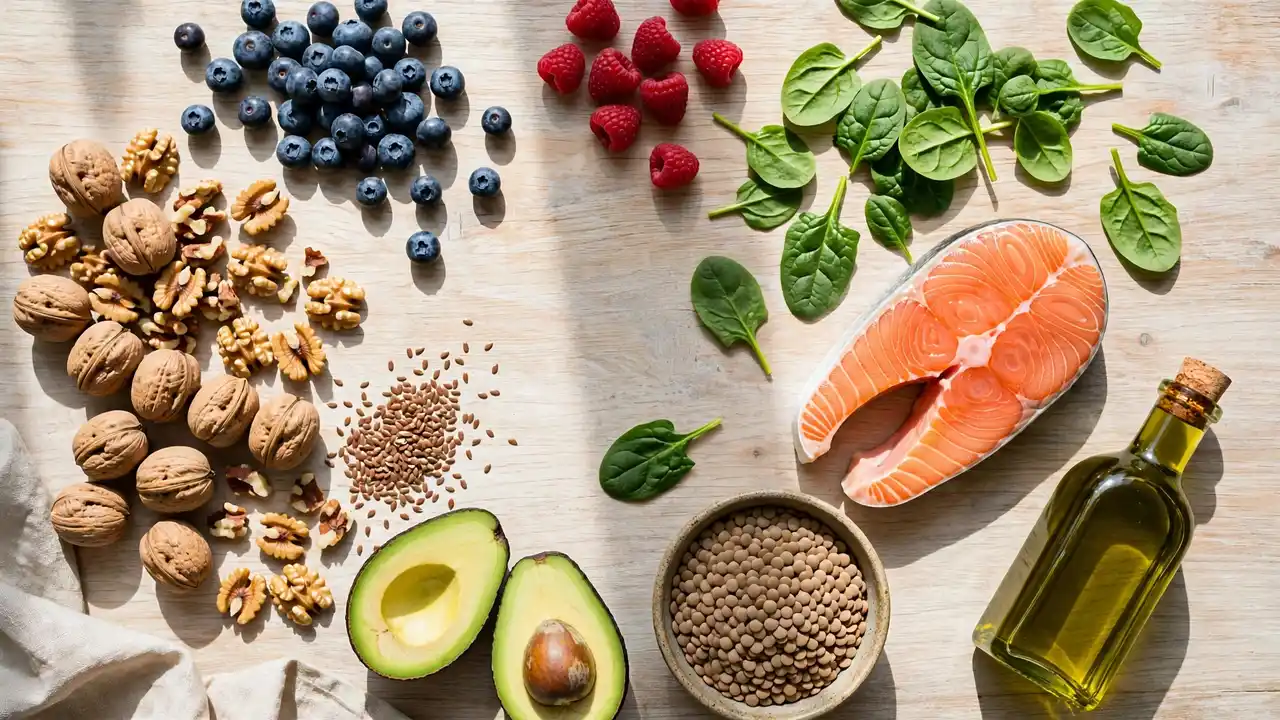
What you eat is the simplest lever you control, and the pattern with the best evidence is a Mediterranean-style diet: plenty of vegetables, fruit, whole grains, legumes, fish, olive oil, nuts and seeds, with less red and processed meat and fewer ultra-processed foods. Observational studies have linked this pattern with better fertility outcomes, including in IVF patients. You do not need a special “fertility diet” or expensive superfoods — the boring, consistent version works.
Foods worth building into your week include berries and leafy greens (antioxidants), oily fish such as salmon and sardines (omega-3s), walnuts and flaxseed, lentils and beans (folate and iron), eggs, and whole grains. Equally important is what to cut back on: heavy alcohol, smoking, and a diet dominated by processed food, sugary drinks, and trans fats. If weight is a concern, our BMI calculator can show where you stand — and the weight section below explains why it matters.
Supplements Worth Discussing With Your Doctor

Supplements are the most oversold part of egg quality, so here is the honest version: no supplement is proven to guarantee better eggs, but a few have enough supportive evidence to be worth a conversation with your doctor — especially if you are over 35 or have low ovarian reserve.
CoQ10 (ubiquinone or ubiquinol) is the most studied. It supports mitochondrial energy in the egg, and small studies and reviews suggest it may improve ovarian response and embryo quality, particularly in women with poor response to stimulation. Commonly studied doses range from 200 to 600 mg a day, taken with food containing fat, for at least three months. Ubiquinol is the active form and is better absorbed, but it costs more. CoQ10 is generally well tolerated; still, tell your doctor you are taking it.
Folate (or methylfolate) matters for DNA synthesis and cell division, and it is already standard before conception because it prevents neural tube defects. A good prenatal vitamin covers this — our guide to the best prenatal vitamins explains what to look for.
Vitamin D is worth checking with a blood test. Low vitamin D is very common, and correcting a deficiency supports ovarian function and overall health. The evidence that vitamin D directly improves egg quality is limited, so treat this as fixing a deficiency, not a fertility treatment.
Omega-3 fatty acids (EPA and DHA) support hormone balance and blood flow to the ovaries and reduce inflammation. Fish or a good-quality fish oil supplement (typically 500–1,000 mg of combined EPA/DHA a day) is a reasonable choice.
Myo-inositol can help ovulation and egg quality in women with PCOS, where insulin resistance disrupts egg maturation. If you have PCOS, read our guide to getting pregnant with PCOS alongside this one.
NAC (N-acetylcysteine) is an antioxidant that supports glutathione, the body’s main internal antioxidant. Evidence is early, and it is mainly studied in PCOS.
DHEA is the one to be careful with. It may help some women with diminished ovarian reserve, but it is a hormone, it must only be used under a doctor’s supervision, and it is not suitable for everyone — including women with PCOS. Do not self-prescribe it.
One rule covers all of these: more is not better. High doses of single antioxidants can backfire, supplements can interact with medications, and quality varies between brands. Bring the list to your doctor, not to a shopping cart.
Sleep 7–9 Hours
Sleep is not a luxury extra — it is part of the hormonal machinery. Deep, regular sleep supports melatonin (which protects eggs during maturation), keeps cortisol in check, and regulates the release of FSH and LH that govern ovulation. Research has linked regularly sleeping less than seven hours with fewer mature eggs retrieved during IVF. Aim for 7–9 hours on a consistent schedule, and keep screens and bright light out of the last hour before bed.
Reach and Keep a Healthy Weight
Being significantly over- or underweight disrupts the hormones that control ovulation, and both extremes are linked with poorer egg quality and lower IVF success. Crash diets are not the answer — they add stress and nutritional gaps at exactly the wrong time. Slow, sustainable movement toward a BMI between 18.5 and 24.9, with a balanced diet and regular moderate exercise, is the goal. If weight management feels hard or emotional, a clinician or registered dietitian can help with a plan that is safe for someone trying to conceive.
Move Regularly, Gently
Moderate exercise — brisk walking, swimming, cycling, yoga — supports insulin sensitivity, blood flow to the ovaries, and stress levels. You do not need intense training; in fact, very heavy exercise can suppress ovulation. During IVF stimulation, your clinic will tell you when to ease off.
Manage Stress Without Adding Guilt
Chronic stress raises cortisol, which can interfere with ovulation signals. That does not mean stress caused your fertility problems — it did not — and it does not mean relaxing will fix them. But gentle practices that genuinely lower your stress (yoga, breath work, walking, journaling, time with people you trust) make the whole process easier and support the hormonal environment your eggs mature in. If the process is wearing you down, counselling or a support group is a practical step, not a weakness.
Stop Smoking, Limit Alcohol, Reduce Toxin Exposure
Smoking is one of the strongest factors within your control. The American Society for Reproductive Medicine notes that women who smoke reach menopause on average one to four years earlier than non-smokers, because their eggs are lost faster — and smoking is linked with poorer IVF outcomes. Stop at least three months before trying to conceive, and avoid second-hand smoke too. Alcohol should be avoided or kept to a minimum while trying; studies link regular drinking with lower IVF pregnancy chances. For everyday chemicals, simple steps help: use glass instead of plastic for food storage, do not heat food in plastic, choose fragrance-free personal care products where you can, wash produce well, and improve ventilation at home.
Your 90-Day Egg Quality Plan
Here is the whole guide compressed into one practical plan. Start three months before trying to conceive or beginning treatment, and keep it going through your cycle.
| Week | Focus | What to do |
|---|---|---|
| 1–2 | Foundations | Start a prenatal vitamin; book a vitamin D blood test; stop smoking; cut alcohol to zero or near zero |
| 1–2 | Food | Shift toward a Mediterranean-style diet; plan oily fish twice a week; berries, greens, nuts and legumes daily |
| 2–4 | Supplements | Discuss CoQ10 (200–600 mg/day) and omega-3 with your doctor; add myo-inositol if you have PCOS |
| 2–12 | Sleep | Fix a consistent 7–9 hour sleep window; screens off an hour before bed |
| 2–12 | Movement | 30 minutes of moderate activity most days — walking, swimming, yoga |
| 4–12 | Weight | Slow, sustainable movement toward a healthy BMI; no crash diets |
| Ongoing | Toxins | Glass over plastic, fragrance-free products, wash produce, ventilate your home |
| Ongoing | Stress | One daily practice that genuinely relaxes you; consider counselling or a support group |
Check in with your doctor at the start — especially about supplements and any medication changes — and again if your cycles are irregular or you have been trying for more than a year (or six months if you are 35 or older).
What Doesn’t Work
Honesty requires this section, because the fertility market is full of expensive promises.
“Egg quality detoxes” and cleanses have no evidence behind them. Your liver and kidneys already detox your body, and a juice cleanse does not change your eggs.
Single “superfoods” — one berry, one seed, one powder — do not move the needle on their own. The evidence is for an overall dietary pattern, not a magic ingredient.
High-dose antioxidant stacks bought online can do more harm than good, interact with medications, and waste money. Dose matters, and more is not better.
Ovarian “rejuvenation” procedures such as PRP (platelet-rich plasma) injections into the ovary are experimental. They are not standard care, the evidence is weak, and they are expensive.
Any product promising “guaranteed better eggs” or a pregnancy is making a promise no one can keep. Egg quality is one factor among many — sperm quality, the uterus, timing, and luck all play a part. A good clinic will say that plainly.
Egg Quality and IVF
If you are doing IVF, egg quality shows up in the numbers your clinic reports: how many eggs are mature, how many fertilize, and how many reach the blastocyst stage. Read our egg retrieval day guide so you know what those numbers mean on the day.
Three things are worth knowing. First, ICSI does not fix egg quality — it solves a sperm problem by injecting a single sperm into each egg, but the egg’s chromosomes and energy are unchanged. Second, embryo grading is not a chromosome test: a beautiful-looking blastocyst can still be aneuploid, which is why our embryo grading guide explains what a grade can and cannot tell you. Third, PGT-A is the only way to check chromosomes before transfer — it screens embryos and prioritizes euploid ones, which can reduce miscarriage risk per transfer, though it does not guarantee a baby and adds cost.
If egg quality is severely affected — usually with age or very low reserve — your doctor may raise the option of donor eggs. That is a real, legitimate path to pregnancy, not a failure. Our IVF success rates by age guide, based on CDC data, shows how age shapes outcomes and why clinics discuss this option honestly.
When to Talk to Your Doctor
See your doctor sooner rather than later if you are 35 or older and have been trying for six months, if your cycles are irregular or absent, if you have PCOS, endometriosis, or a history of miscarriage, or if a previous IVF cycle produced very few mature eggs or no blastocysts. Bring a list of every supplement you take. And if anyone — a clinic, a brand, an influencer — promises to “fix” your egg quality, ask what evidence they have. The American Society for Reproductive Medicine’s fact sheet on age and fertility is a solid, plain-language starting point, and MedlinePlus has a clear overview of infertility and when to seek help.
The hopeful truth is this: you cannot change how many eggs you were born with or how old they are, but the three months before ovulation are genuinely in your hands. Eat well, sleep well, move gently, stop smoking, limit alcohol, and take the supplements your doctor agrees with. That is the whole secret — and it is enough to be worth doing properly.
Frequently Asked Questions (FAQs)
How long does it take to improve egg quality?
About three months. That is how long an egg’s final maturation phase lasts before ovulation, so changes you make today benefit the eggs you will ovulate in roughly 90 days. Start at least three months before trying to conceive or beginning IVF.
Can egg quality be improved after 40?
It can be supported, but age-related decline cannot be reversed. The same steps — diet, CoQ10, sleep, healthy weight, no smoking — still matter and can improve your odds, but the share of chromosomally normal eggs falls with age. Your doctor can talk honestly about what IVF, PGT-A, or donor eggs can offer at your age.
Does CoQ10 really improve egg quality?
CoQ10 is the most-studied egg quality supplement, and small studies suggest it may improve ovarian response and embryo quality, especially in women with poor response to stimulation. Large, high-quality trials are still lacking, so it is best described as promising rather than proven. Commonly studied doses are 200–600 mg a day for at least three months — discuss it with your doctor first.
What foods improve egg quality?
No single food does it alone. The pattern with the best evidence is a Mediterranean-style diet: vegetables, fruit, whole grains, legumes, oily fish, olive oil, nuts and seeds, with less processed food and red meat. Berries, leafy greens, salmon, walnuts, lentils and eggs are all good regular choices.
Can a blood test measure my egg quality?
No. AMH and antral follicle count measure how many eggs remain, not how good they are. The only way to check an embryo’s chromosomes is PGT-A testing during IVF. Be wary of any test or product that claims to score your egg quality from a blood sample.
Does low AMH mean poor egg quality?
Not necessarily. AMH measures quantity, not quality — you can have a low AMH and still have good-quality eggs. Read our guide to AMH levels by age for the full picture.
Does stress affect egg quality?
Chronic stress can disrupt the hormones that control ovulation, and managing stress supports the environment your eggs mature in. But stress does not cause infertility on its own, and relaxing will not fix a medical problem. Treat stress care as support, not treatment.
Should I take DHEA to improve egg quality?
Only if your doctor recommends it. DHEA is a hormone that may help some women with diminished ovarian reserve, but it is not suitable for everyone — including women with PCOS — and it must be supervised. Do not self-prescribe it.
By Emily Johnson, Content Writer & Fertility Advocate · Medically reviewed by Dr. Sarah Ahmed, Medical Content Advisor
About the author: Emily Johnson is a Content Writer & Fertility Advocate who covers IVF and fertility treatment topics. Meet the team
Medical review: This article was medically reviewed by Dr. Sarah Ahmed, Medical Content Advisor, for clinical accuracy. Meet the team
Medical disclaimer: This article is for informational purposes only and is not medical advice, diagnosis, or treatment. Every person’s fertility is different, and supplements and lifestyle changes can interact with medications and medical conditions. Always discuss supplements, diet changes, and treatment decisions with your doctor or fertility clinic.
